
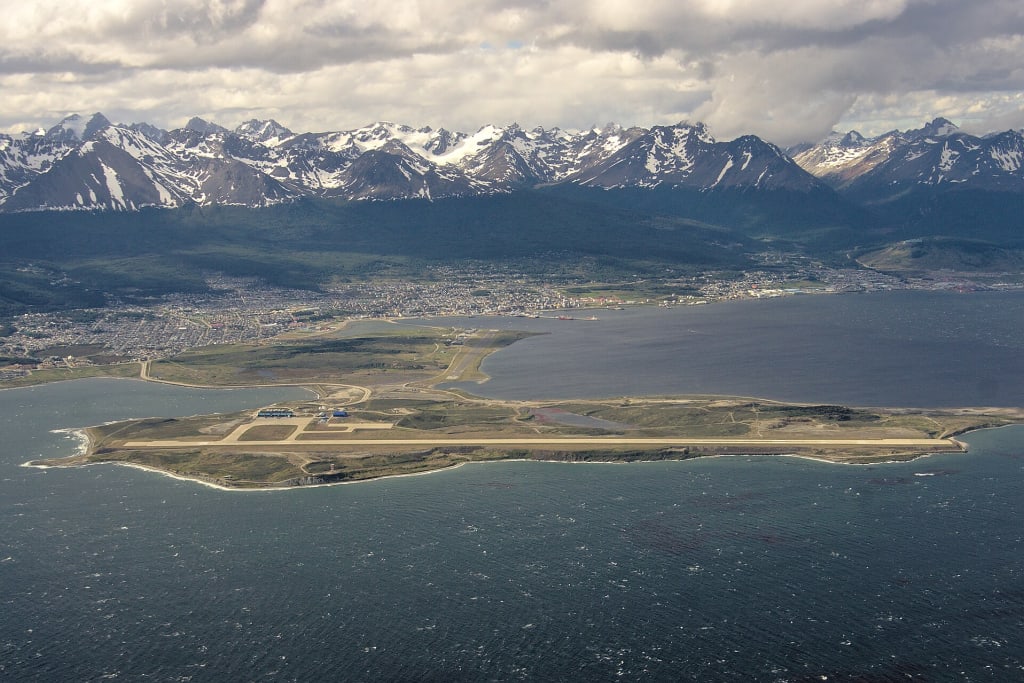
Have you ever looked out the window during takeoff or landing and noticed large numbers painted at the end of the runway? These aren't random; they serve a crucial purpose in aviation. In this post, we'll explore the logic behind runway numbering, how it's tied to compass directions, and some interesting facts about why these numbers can change.
How Runway Numbers Are Determined
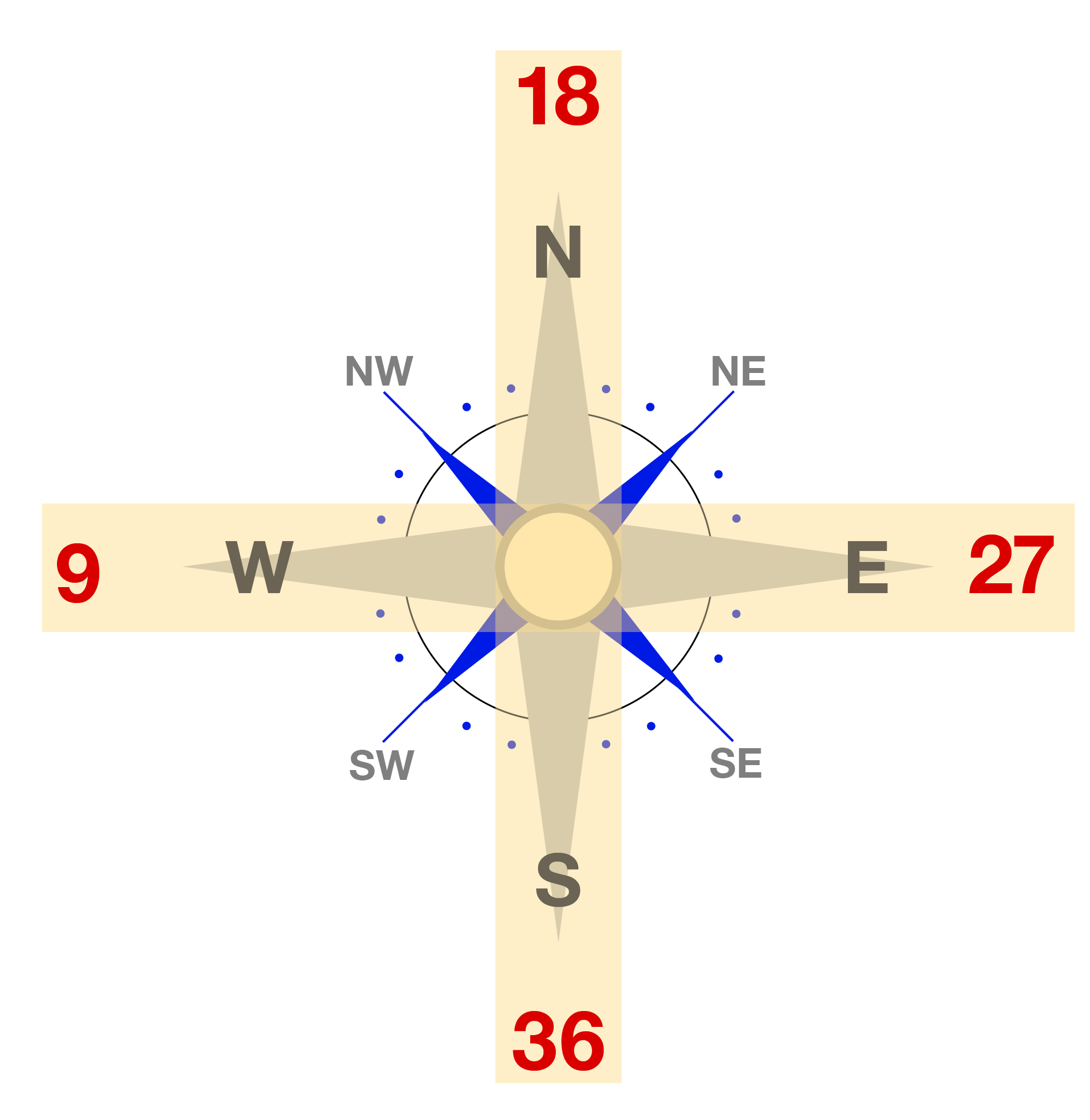
Runway numbers are based on the magnetic heading of the runway—the direction it's pointing relative to magnetic north. This heading is rounded to the nearest 10 degrees, and then the zero is dropped to form the runway number.
For example:
- A runway pointing to 092° magnetic → rounded to 090° → becomes Runway 09.
- A runway at 123° → rounded to 120° → becomes Runway 12.
- The opposite end is always 180° away: Runway 12’s opposite is Runway 30 (120° + 180° = 300° → 30).
There is no Runway 00. A runway aligned with true north (360°) is labeled Runway 36.
Parallel Runways and Letters
Large airports often have parallel runways to handle more traffic. These share the same number but are distinguished by letters:
- L = Left
- C = Center
- R = Right
For example, Los Angeles International (LAX) has 25L and 25R.
If there are four or more parallel runways, numbers may shift slightly (e.g., 26L, 26R, 27L, 27R) to avoid confusion.

Why Runway Numbers Change Over Time
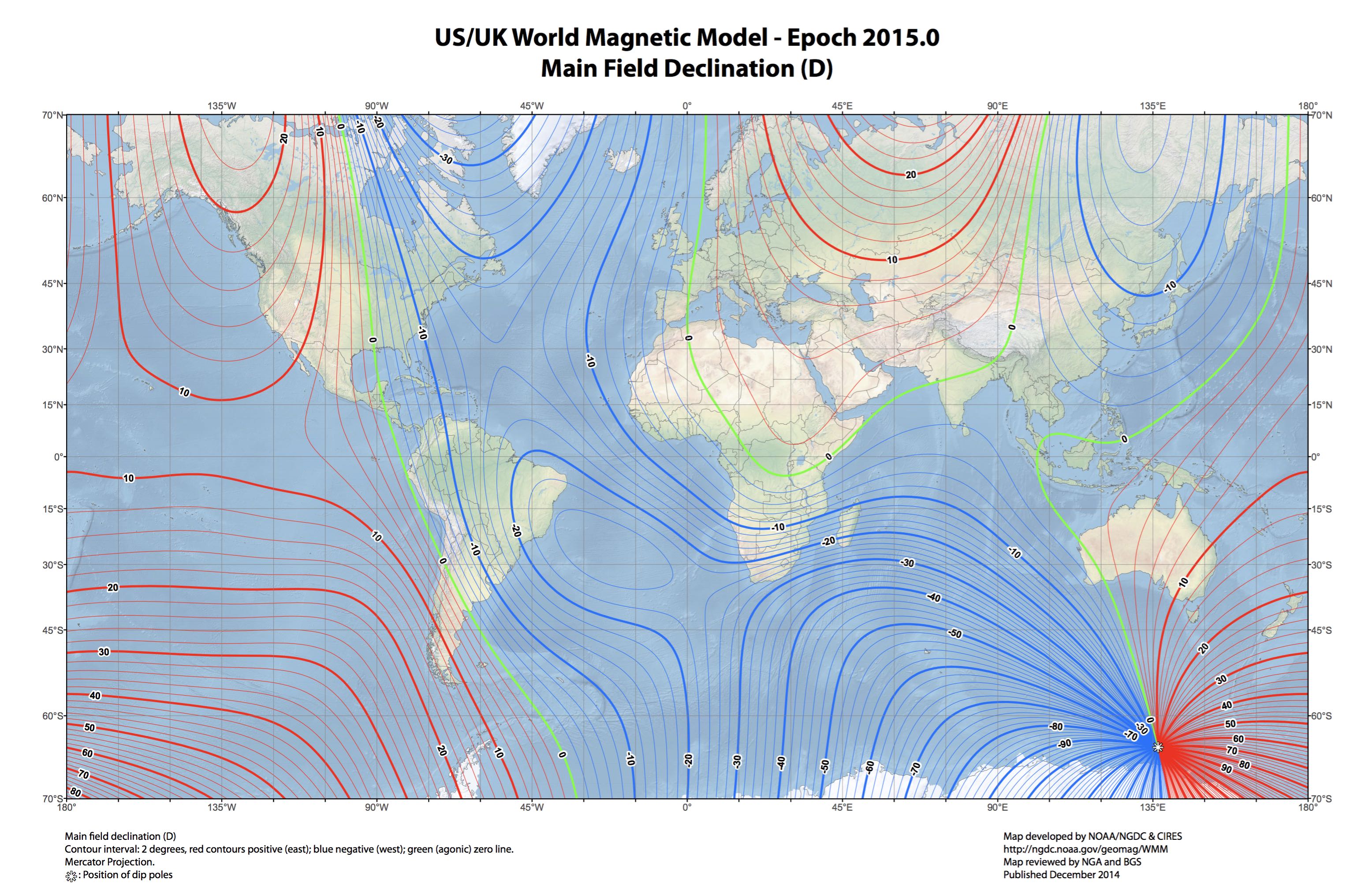
Earth’s magnetic field drifts due to changes in its molten core—a phenomenon called magnetic declination. Over decades, a runway’s magnetic heading can shift by several degrees.
When the change exceeds 5°, the runway may be renumbered to stay accurate.
Real-World Examples:
- Fairbanks, Alaska (2009): Runways 1L/19R → renamed 2L/20R
- Denver International: Runways 17L/35R may soon become 18L/36R
These updates follow the World Magnetic Model (WMM), updated every 5 years.
Fun Facts & Pro Tips
- Pilots pronounce runway numbers individually: “Runway Two-Four Left” (not “twenty-four”).
- Some Alaskan airports use true north instead of magnetic due to extreme variation near the pole.
- The longest runway in the world (Qamdo Bamda, Tibet) is 5.5 km long — but still follows the same numbering rules.

Pro tip for Guess the Airport players: Spotting runway numbers in aerial photos can clue you in to the airport’s orientation and location!
Next time you’re on a plane, glance out the window — can you guess which way magnetic north is?
Happy flying — and happy guessing!